
When Vinegar Actually Works (And When It Damages)
Let’s talk about vinegar—the internet’s favorite “miracle cleaner.” After testing it in hundreds of homes, we’ve learned something important: vinegar isn’t the universal solution everyone claims it is.
Some cleaning influencers will tell you to use vinegar on everything. We’re here to share what we’ve actually found works—and what can seriously damage your home.
Where Vinegar FAILS (And Can Cause Damage)
❌ Wood and Laminate Floors: Skip the Vinegar
Here’s what we discovered after trying vinegar on various flooring jobs:
The problems:
- It doesn’t actually clean well—you’re essentially just spreading diluted acid around
- The smell lingers for hours (your whole house will smell like a chip shop)
- The hidden danger: Over time, vinegar can break down the adhesive in laminate flooring. We’ve read reports of this happening, and it’s not a risk worth taking.
What we use instead:
- Ecover Floor Soap or Murphy’s Oil Soap – These clean beautifully without the risks
- A non-toxic multi-purpose cleaner with a well-wrung mop works wonders
Myth-busting moment: “But won’t floor soap make my floors oily?”
No! Yes, Murphy’s and Ecover Floor Soap contain linseed oil in the formula, but they’re designed to clean without leaving residue. We’ve used it on countless floors—no oily film, just clean, protected surfaces.
So, when to use vinegar for cleaning?
Where Vinegar WORKS Like Magic ✨
Now for the good news—there are two places where vinegar is genuinely brilliant:
✅ Stainless Steel Sinks: The Secret to That Showroom Shine
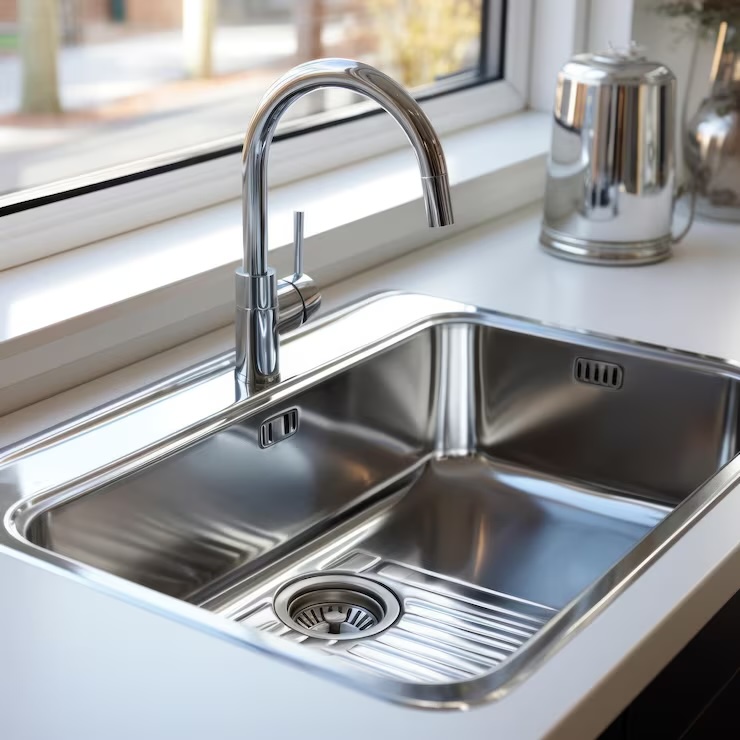
Want your stainless steel sink to look brand new? Here’s our professional technique:
- Wash your sink normally first (dish soap and water)
- Apply straight vinegar across the entire surface. You can spray or spread it generously with a sponge.
- Leave it for a few minutes
- Dry thoroughly with a microfiber cloth
The result? A mirror-like shine you probably haven’t seen since the day you moved in. We use this trick in every home with stainless steel fixtures, and clients always ask, “How did you make it look like that?”
Pro tip: This is your final step—vinegar is the polish, not the cleaner.
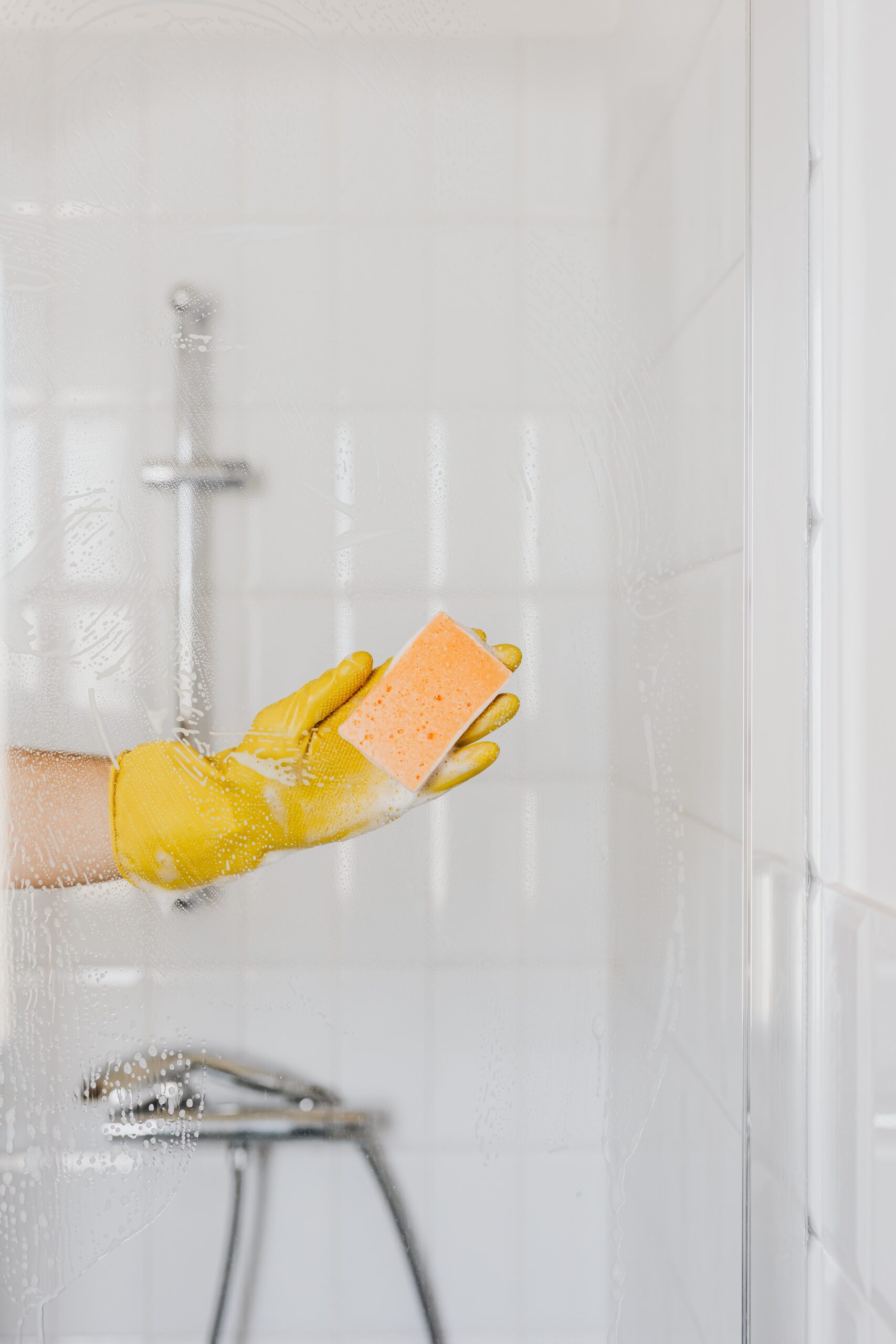
✅ Glass Shower Screens: The Soap Scum Solution
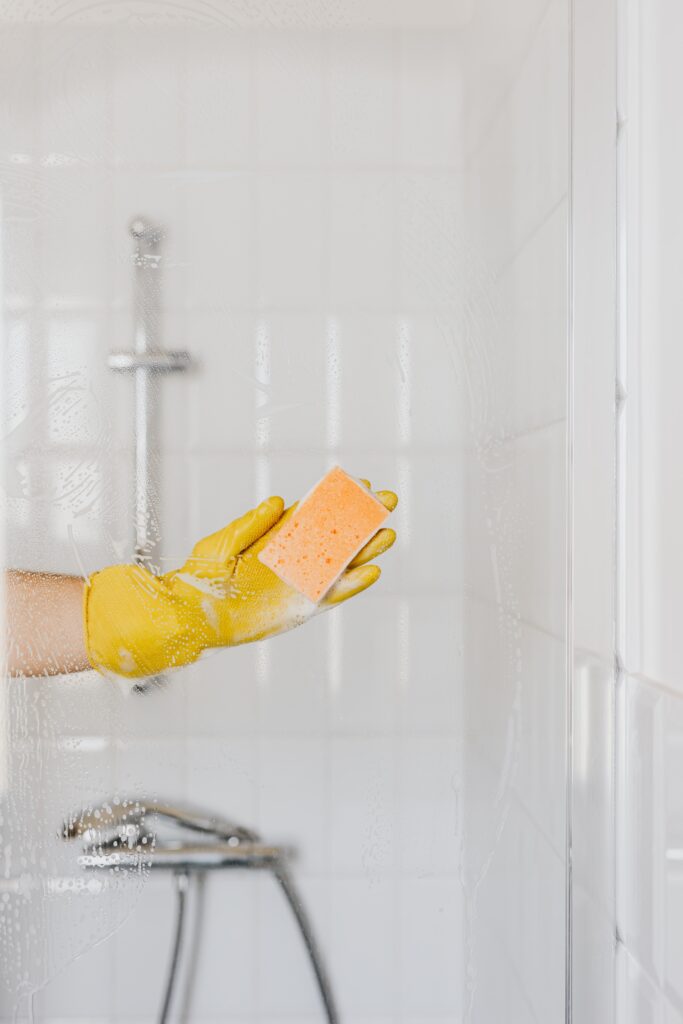
If your shower screen looks perpetually cloudy no matter how much you scrub, vinegar is your answer.
Why it works: Soap scum is actually soap that has chemically bonded with minerals in your water. Vinegar de-saponifies this buildup—basically, it dissolves that stubborn cloudy layer that regular cleaners just smear around.
Our tested mixture:
- Water – 20%
- Vinegar – 75%
- A squirt of dish soap – 5%
How to use it:
- Mix the solution in a spray bottle (about 500ml)
- Spray generously on the glass
- Spread it with a non-scratch sponge scourer
- Let it sit for 10 minutes
- Rinse with clean water
- Dry and polish with a microfiber cloth
The result? Crystal clear, spotless glass that looks brand new.
We’ve used this method in homes where people were convinced they’d need to replace their shower screens. Turns out, they just needed the right approach.
The Bottom Line
Vinegar isn’t a miracle cleaner—it’s a specific-purpose cleaner. Use it where it shines (stainless steel and glass), and choose better options for everything else.
After years of professional cleaning, we’ve learned that the “one product for everything” approach just doesn’t work. The right tool for the right job always wins.
What’s your experience with vinegar? Have you tried it somewhere it worked brilliantly—or disastrously? We’d love to hear what you’ve discovered.
Shop Our Recommended Products
For Floors:
- Ecover Floor Soap – Plant-based and effective
- Murphy’s Oil Soap – The classic for a reason
- Our Favorite Non-Toxic Multi-Purpose Cleaner
For The Vinegar Method:
- White Distilled Vinegar – Buy in bulk; it’s cheaper
- Quality Microfiber Cloths – Essential for the stainless steel shine
- Non scratch scourer sponges
- Spray Bottles – For the shower screen mixture
Links may be affiliate links, which means we earn a small commission if you purchase through them—at no extra cost to you. We only recommend products we actually use in our cleaning business.
Want more cleaning myths busted? Subscribe to get our weekly tips straight from professional cleaners who’ve seen it all.




No Comments